About Hmt rice
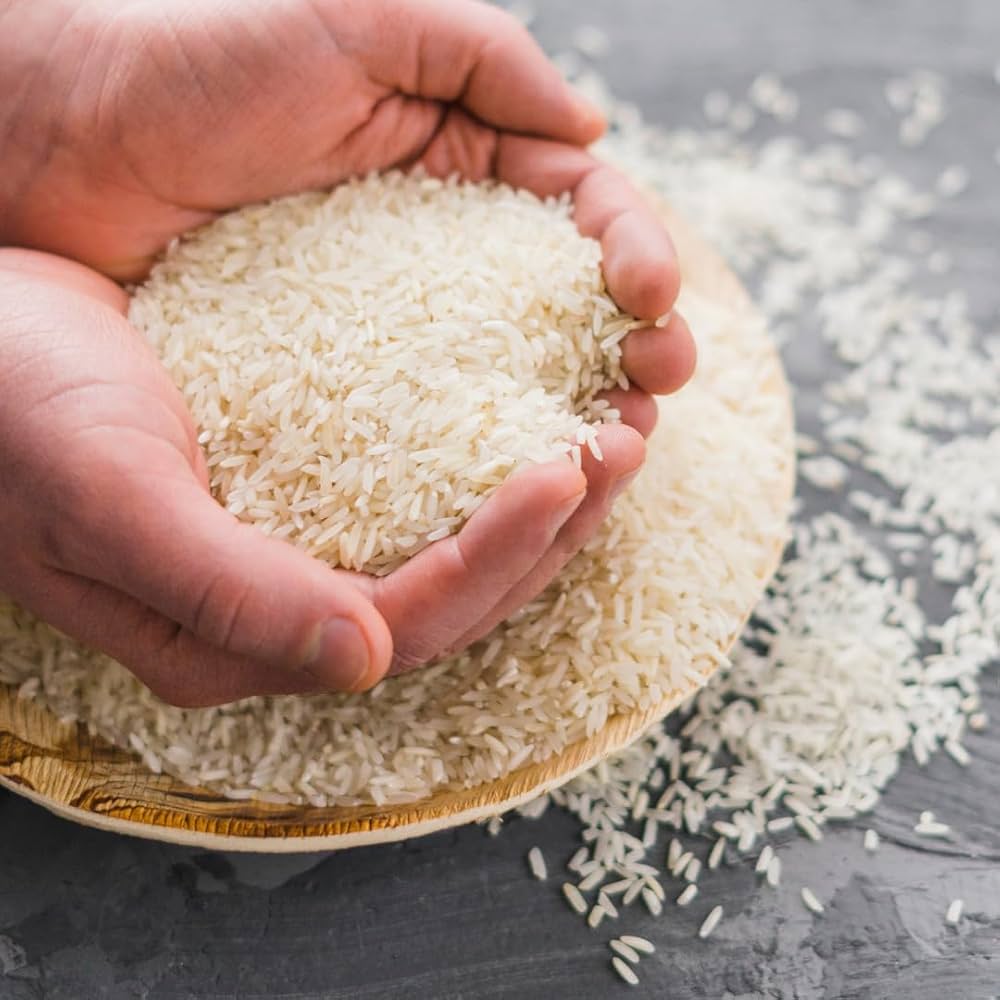
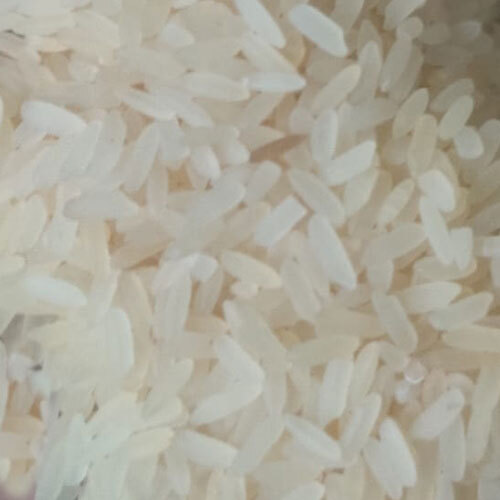
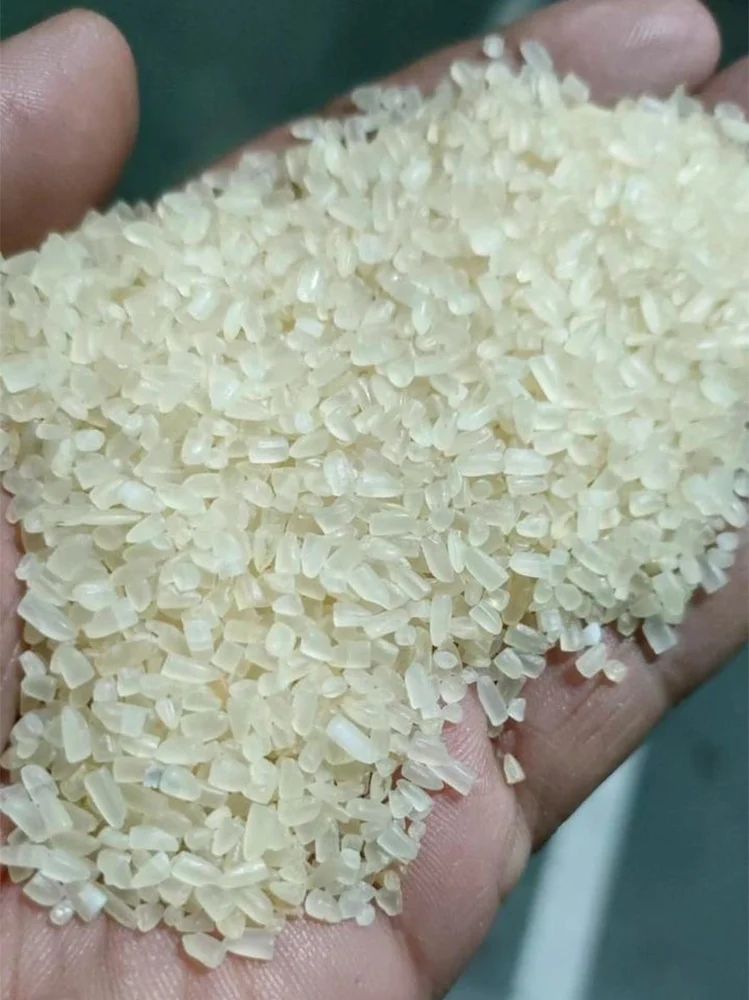
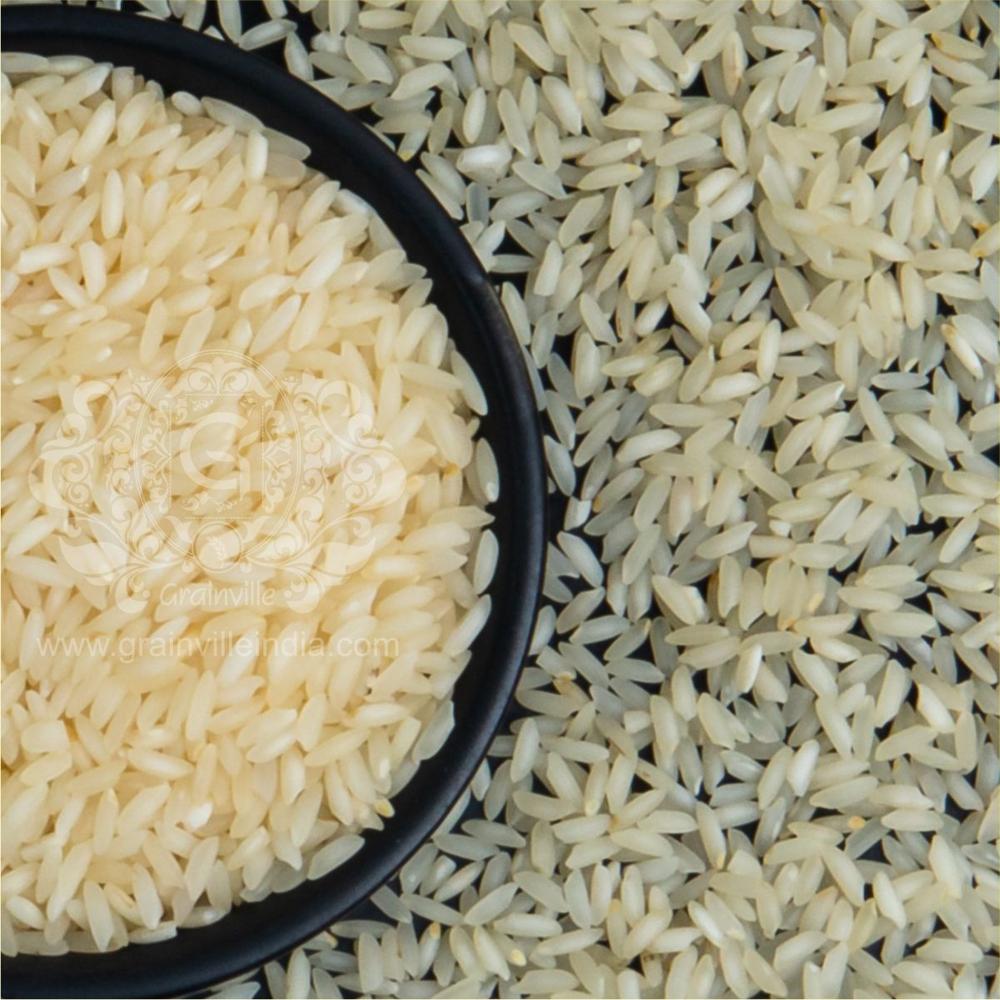
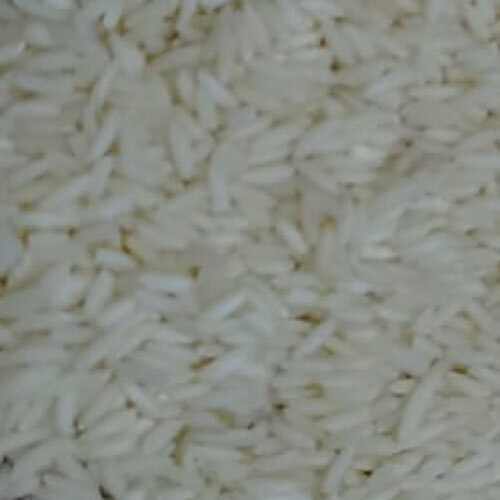
It usually refers to HMT Sona Masoori rice, a medium-grain variety grown mainly in Telangana and Andhra Pradesh, India. Its known for being:
-
Lightweight and fluffy after cooking
-
Less starchy compared to basmati
-
Popular in daily meals, especially for South Indian dishes like sambar rice, rasam rice, curd rice, pulao, etc.
Some people call it HMT because the seeds were developed at an ICAR research station in Hyderabad (Hyderabad Masoori Type HMT).
Pure Organic SourcingOur HMT rice is grown under strict organic farming standards in India, without the use of synthetic chemicals or pesticides. This results in a rice grain thats not only healthier but also environmentally sustainable, appealing to health-conscious consumers and eco-friendly businesses alike.
Versatile ApplicationsThanks to its medium grain and hearty texture, HMT rice is perfect for various culinary uses, from everyday meals to specialty recipes. Its natural brown color and nutritional profile make it sought after in homes, restaurants, and catering services.
FAQs of Hmt rice:
Q: How is HMT rice produced organically in India?
A: HMT rice is organically cultivated in India using traditional farming practices that exclude synthetic chemicals and pesticides. This ensures the rice retains its natural nutrients and purity while supporting sustainable agriculture.
Q: What makes HMT rice different from other varieties?
A: HMT rice is a medium-grain, brown rice with a distinctive texture and flavor. Unlike many polished white rice varieties, it preserves more of its bran layer, making it richer in fiber and nutrients.
Q: When is HMT rice typically harvested and available for supply?
A: The harvesting of HMT rice generally occurs once a year, following the monsoon season in India. It is then dried and packaged, making it available for import and wholesale throughout the year due to its one-year shelf life.
Q: Where is HMT rice primarily grown in India?
A: HMT rice is primarily cultivated in specific regions across India known for their organic farming methods and fertile soils. These regions provide ideal conditions for growing high-quality, medium-grain rice.
Q: What are the main steps involved in the processing of organic HMT rice?
A: The process includes harvesting mature rice plants, sun-drying the grains, and minimal processing to retain the bran layer. This ensures the rice remains healthy and maintains its brown color and natural nutrients.
Q: How should HMT rice be stored to maintain its freshness?
A: To preserve quality and flavor, HMT rice should be kept in a cool, dry place in an airtight container. Proper storage helps maintain its shelf life of up to one year.
Q: What are the key benefits of using organically grown HMT rice?
A: Organically grown HMT rice is healthier, offering more fiber and nutrients compared to conventional white rice. Its natural cultivation reduces exposure to harmful chemicals, making it a beneficial choice for both individuals and the environment.

 Send Inquiry



 Send Inquiry


 Send Inquiry